Brain Region Targeting Across Modalities
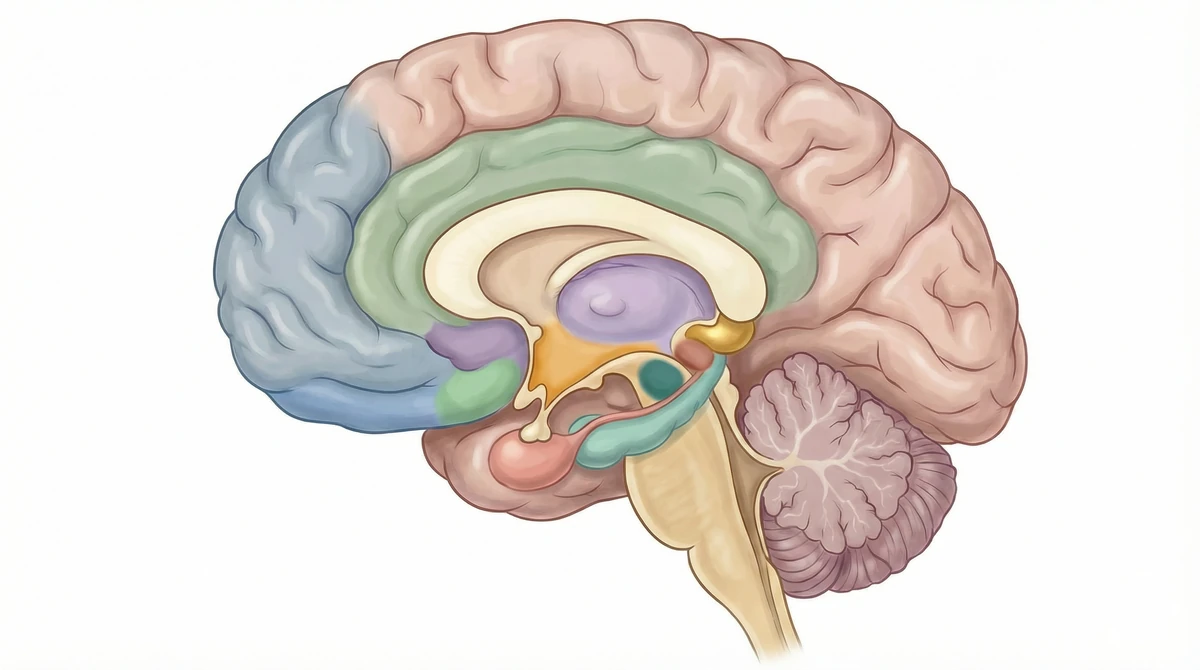
Different trauma modalities target different brain structures based on their theoretical frameworks and mechanisms of action. This comparison shows which brain regions each modality engages, helping clinicians understand the neurobiological basis for choosing complementary approaches.
Interactive Brain Map
Click a region to see which modalities target it
Brain Region Matrix
= modality targets this region. Click any row to see details.
| Brain Region | AEDP | BSP | DBR | EMDR | GT | IFS | NF | PAT | PD | SP | SE | SD | WoT | Count |
|---|---|---|---|---|---|---|---|---|---|---|---|---|---|---|
| Cortical | ||||||||||||||
ACCAnterior Cingulate Cortex | 6 | |||||||||||||
INSInsula | 4 | |||||||||||||
PFCPrefrontal Cortex | 9 | |||||||||||||
RSCRetrosplenial Cortex | 1 | |||||||||||||
| Network | ||||||||||||||
DMNDefault Mode Network | 2 | |||||||||||||
| Subcortical | ||||||||||||||
HYPHypothalamus | 2 | |||||||||||||
THALThalamus | 3 | |||||||||||||
| Limbic | ||||||||||||||
AMYAmygdala | 10 | |||||||||||||
HPCHippocampus | 6 | |||||||||||||
| Midbrain | ||||||||||||||
PAGPeriaqueductal Gray | 5 | |||||||||||||
SCSuperior Colliculus | 3 | |||||||||||||
| Brainstem | ||||||||||||||
BSBrainstem | 9 | |||||||||||||
DMVDorsal Motor Nucleus of Vagus | 2 | |||||||||||||
LCLocus Coeruleus | 1 | |||||||||||||
NGCNucleus Gigantocellularis | 1 | |||||||||||||
NTSNucleus Tractus Solitarius | 1 | |||||||||||||
PBNParabrachial Nucleus | 1 | |||||||||||||
RNRaphe Nuclei | 1 | |||||||||||||
Clinical Insight
The amygdala, prefrontal cortex, and brainstem are targeted by nearly every modality ~ reflecting the universal importance of threat detection, executive regulation, and arousal management in trauma recovery.
Modalities diverge most at the brainstem and midbrain level. DBR and Brainspotting specifically target the superior colliculus and periaqueductal gray, while Somatic Experiencing uniquely engages the locus coeruleus and vagus nerve. These differences reflect each modality's theory of where trauma is "stored" and how it should be accessed.
Understanding which brain structures each modality targets helps clinicians make informed decisions about sequencing and combining approaches ~ for example, using neurofeedback to stabilize cortical regulation before engaging brainstem-focused DBR processing.